Jonas Schulz · 5 September 2026
Shifts in Server Log Patterns Revealing Resource Allocation Tactics During Platform Transitions
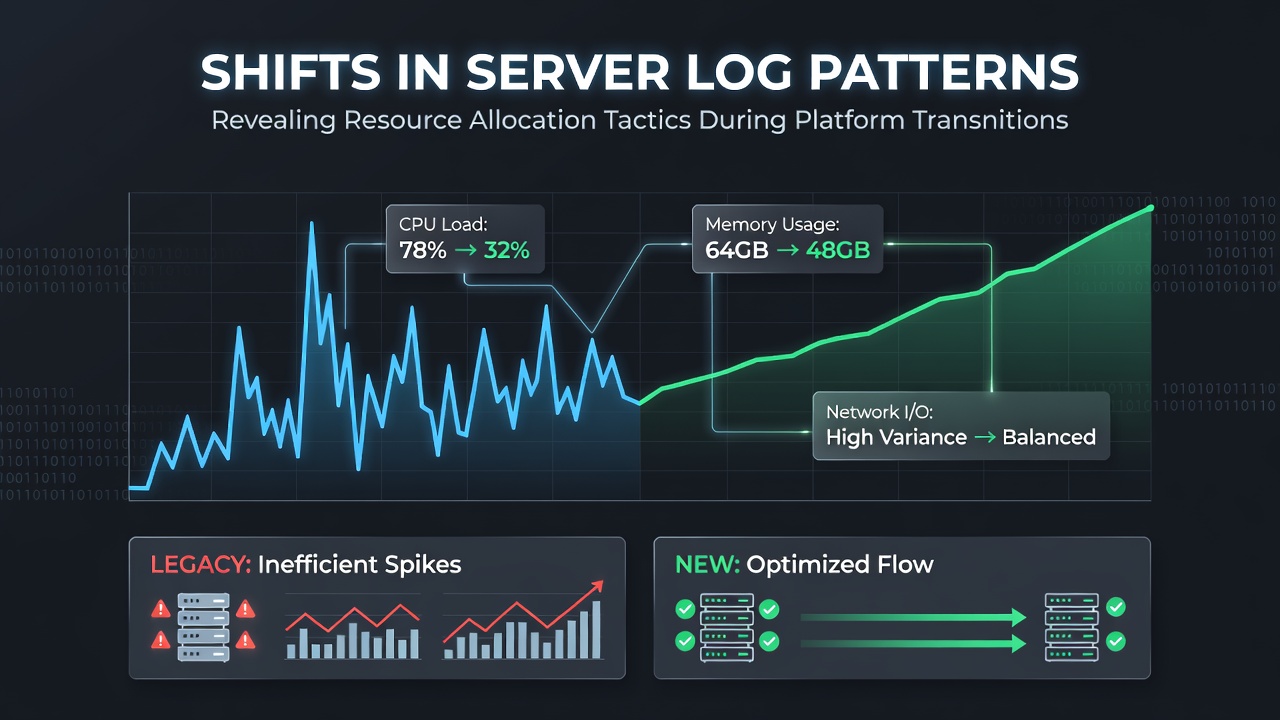
Server logs capture detailed records of system activity, and analysts examine these entries to identify how organizations adjust computing resources when platforms undergo migration or upgrade cycles. Data from log files often shows spikes in request volumes, changes in error rates, and modifications to CPU and memory allocation patterns that correspond directly to transition phases. These records provide measurable evidence of tactics such as load balancing adjustments and temporary scaling of virtual instances.
Understanding Server Log Components in Transition Scenarios
Entries in server logs typically include timestamps, IP addresses, request types, response codes, and resource utilization metrics, and during platform transitions these fields reveal sequences of preparatory actions taken by operations teams. Researchers at institutions studying distributed systems have documented how log timestamps cluster around specific intervals when teams test failover mechanisms or reroute traffic to new endpoints. Patterns emerge when logs show repeated authentication attempts or increased database query volumes that precede the actual cutover date, indicating preemptive resource provisioning.
One study from a North American research consortium tracked log data across multiple enterprise migrations and found consistent increases in outbound connection attempts to monitoring services in the weeks leading up to full deployment. These connections often coincide with adjustments to container orchestration settings, where logs register higher rates of pod restarts and scaling events. Observers note that such sequences allow teams to validate capacity before committing production workloads.
Common Pattern Shifts Observed in Log Data
Log analysts frequently identify abrupt changes in request latency distributions and error code frequencies that signal resource reallocation. For instance, a rise in HTTP 503 responses followed by a sharp decline often marks the moment when new servers come online and absorb traffic previously handled by legacy infrastructure. Data indicates these transitions produce distinctive log signatures because teams gradually shift percentages of user sessions rather than executing instantaneous switches.
What's interesting is how memory allocation logs reflect temporary over-provisioning during the overlap period when both old and new platforms run in parallel. Entries showing sustained high heap usage alongside elevated garbage collection events appear regularly in documented cases from organizations completing cloud migrations. Such patterns allow later reconstruction of the exact sequence of allocation decisions made by engineering groups.
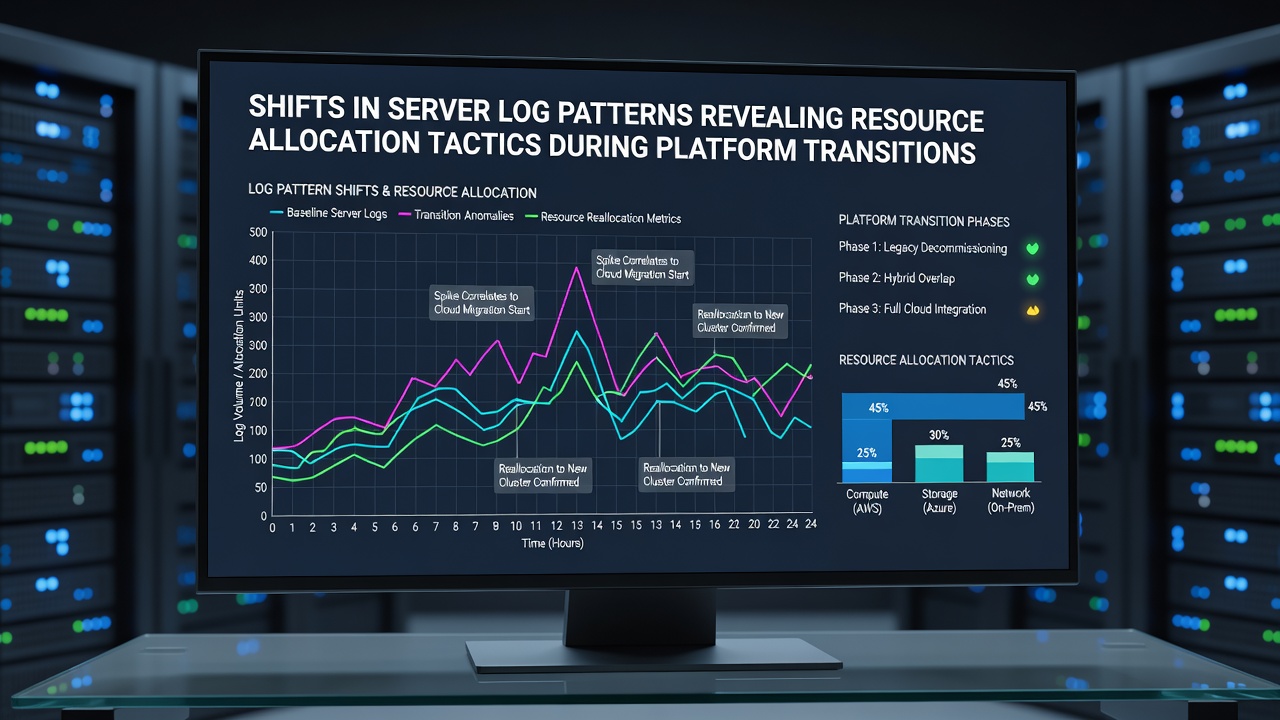
European data centers preparing for infrastructure updates scheduled around September 2026 have begun publishing preliminary log analyses that highlight similar behaviors. These reports describe how inbound traffic logs show geographic rerouting commands issued days before the main event, with corresponding increases in cross-region replication traffic captured in storage access logs.
Resource Allocation Tactics Reflected in Log Patterns
Teams employ several identifiable tactics that leave traces in server logs, including staged rollout percentages and dynamic adjustment of thread pool sizes. Logs from systems using orchestration platforms register these changes through repeated updates to configuration endpoints, followed by confirmation messages indicating successful application of new limits. Analysts track these sequences to map the timeline of resource commitments.
Canadian government technology reviews have recorded cases where log patterns revealed incremental addition of cache nodes several hours before peak traffic windows during platform handovers. The resulting decrease in cache miss rates appears as a clear inflection point in access logs, confirming that preemptive scaling occurred in response to projected demand. Such evidence helps organizations refine future allocation models based on actual observed behavior rather than simulations alone.
Academic papers from Australian universities examining large-scale migrations describe how disk I/O logs show bursts of data synchronization activity that align with database cutover windows. These bursts typically follow periods of reduced write activity, suggesting teams freeze updates on source systems while final replication completes. The log entries provide precise timestamps that correlate with documented maintenance schedules.
Case Examples from Recent Platform Transitions
Take one financial services provider whose log archives showed a gradual increase in API gateway timeout thresholds over a ten-day period before their primary platform switch. The change coincided with elevated connection pool utilization metrics, indicating that teams expanded backend capacity to handle transitional traffic loads. Subsequent analysis of error logs confirmed fewer dropped connections once the new allocation took effect.
Another instance involved a telecommunications operator that published aggregated log summaries after completing a regional data center migration. The records demonstrated how CPU utilization logs shifted from steady baseline levels to variable peaks corresponding to each phase of user account transfers. Network flow logs captured the corresponding increase in encrypted traffic volume during those same intervals.
Analytical Methods Applied to Log Datasets
Specialized tools parse server logs to extract time-series features that highlight allocation tactics, and statistical models compare pre-transition and post-transition distributions. Researchers apply clustering algorithms to group similar log sequences across multiple migration events, revealing recurring resource management strategies. These methods rely on the structured nature of log entries, which include consistent field formats across different server software versions.
Industry reports from technology standards bodies note that combining logs from web servers, application servers, and infrastructure monitoring produces a more complete picture of allocation decisions. Cross-referencing these sources allows identification of moments when teams activated additional instances or modified load balancer weights. The resulting datasets support quantitative assessment of how quickly resources returned to baseline after each transition milestone.
Conclusion
Server log analysis continues to supply verifiable records of resource allocation during platform transitions, and organizations increasingly rely on these patterns to document operational decisions. Data from multiple geographic regions shows consistent signatures associated with staging, synchronization, and final cutover activities. As more entities prepare infrastructure changes projected for September 2026, the accumulation of log evidence will further refine understanding of effective allocation approaches across diverse technical environments.